


When it comes to Human Risk Management (HRM), theory often dominates the conversation. But what does HRM look like in practice? How do organizations successfully implement it to achieve measurable results? In this blog, we’ll share lessons learned from real-world HRM initiatives, highlighting the challenges, strategies, and outcomes that define success.
The Challenges: Understanding Human Risk at Its Core
Every organization faces unique challenges when it comes to managing human risk. However, some patterns are universal:
- Engagement Gaps: Many employees see cybersecurity as a low priority or a compliance checkbox, leading to disengagement and risky behaviors.
- Phishing Susceptibility: Despite training, phishing remains a top attack vector, with social engineering tactics evolving faster than many defenses.
- Cultural Resistance: Security policies and practices often clash with existing cultural norms, creating friction and undermining adoption.
Understanding these challenges is the first step toward designing effective HRM strategies. Check out our other articles to dive deeper on what human risks are in cybersecurity, or what is a Human Risk Management Program.
The Strategy: Building an Integrated Approach
To address these challenges, organizations must move beyond traditional awareness programs and adopt a more integrated approach. Here’s how:
1. Start with a Baseline Assessment
A comprehensive assessment is critical to understanding your current human risk landscape. This includes:
- Measuring vulnerabilities like phishing click rates or password hygiene.
- Conducting surveys to gauge employee attitudes toward cybersecurity.
- Analyzing incidents to identify cultural and operational root causes.
(INSERT CTA LEARN MORE ABOUT OUR BASELINE HERE)
2. Design Tailored Interventions
One-size-fits-all solutions haven't proven effective over time. Great HRM programs are:
- Contextual: Tailored to the specific needs of the organization and its workforce.
- Engaging: Using storytelling, gamification, and targeted content to capture attention and drive behavior change.
- Integrated: Aligned with broader organizational goals and workflows.
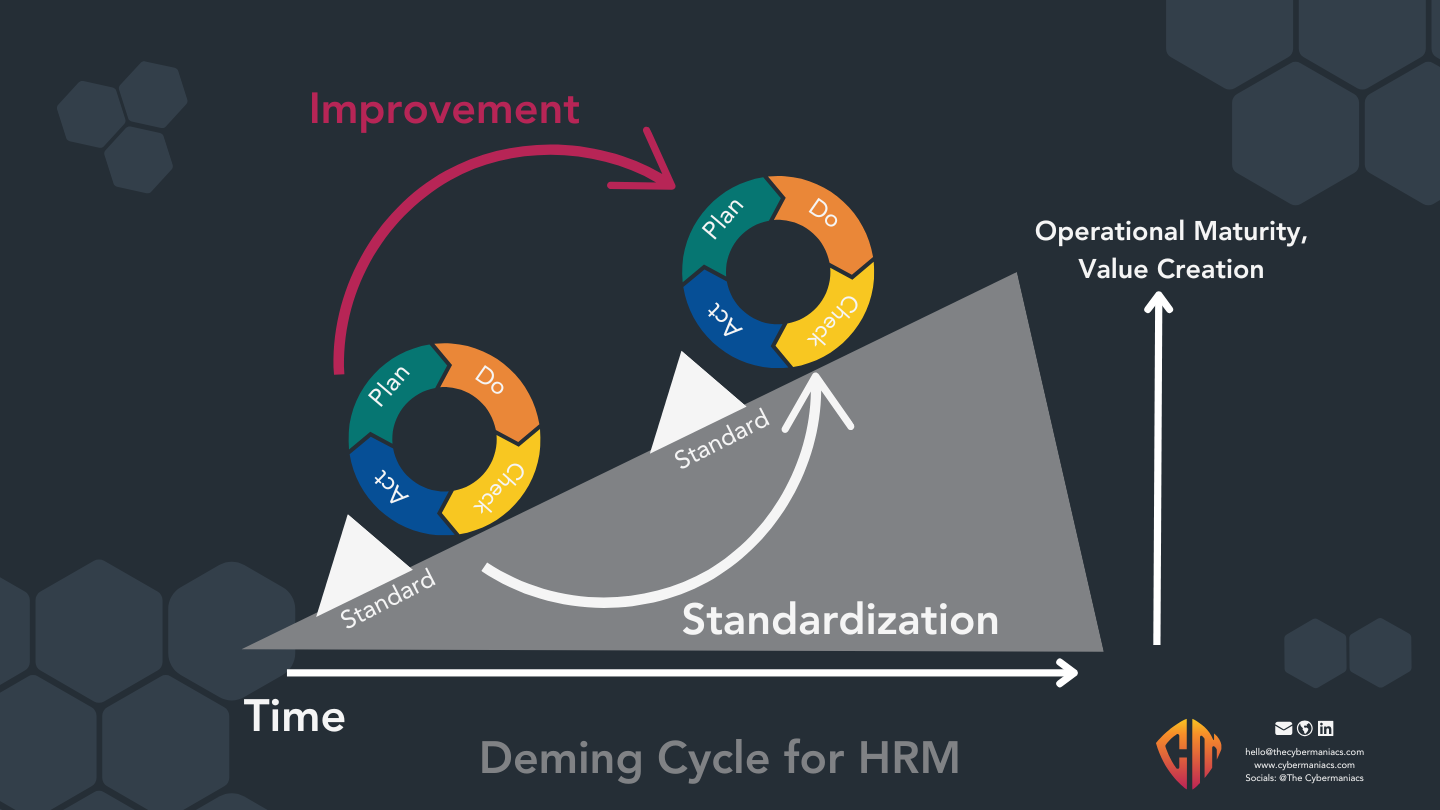
3. Build Feedback Loops
Continuous improvement is key to successful HRM. Use:
- Analytics Dashboards: Track progress and identify areas for improvement.
- Employee Feedback: Engage the workforce to understand their challenges and perspectives.
- Real-Time Adjustments: Adapt strategies based on emerging risks and data.
The Results: Turning Insights into Impact
Organizations that embrace Human Risk Management often experience transformative outcomes. For instance, by addressing phishing susceptibility with targeted simulations and follow-up training that is supportive, they create an environment where employees feel prepared and engaged. Gamified approaches to cybersecurity programs have turned participation into a shared responsibility rather than a compliance-driven task. Moreover, integrating cybersecurity into company values fosters cultural alignment, ensuring leadership and employees alike buy into the importance of maintaining a resilient and secure organizational posture.
These outcomes demonstrate the transformative potential of HRM!
Lessons Learned: Key Takeaways for Success
From these experiences, it’s clear that effective HRM starts with aligning security practices to an organization’s culture. This approach moves beyond addressing human error to embedding security into the everyday behaviors and values of the workforce. Tailoring interventions to individual employees—taking into account their unique risks, roles, and motivations—is critical for driving meaningful engagement. Finally, organizations must embrace a data-driven mindset, using metrics and continuous feedback to refine strategies and adapt to emerging risks. Together, these elements create a dynamic and resilient approach to managing human risk.
The Road Ahead
HRM is more than a framework; it’s a journey toward creating resilient organizations that thrive in the face of evolving risks. By learning from real-world examples and focusing on engagement, alignment, and adaptability, security leaders and forward thinkers can turn human factors from vulnerabilities into strengths.
If you’re ready to put HRM into action, we’re here to help. Let’s work together to build a future where human risk becomes an asset, not a liability.